Baby Magnolia: A Festive Typeface for Holiday and Decorative Design
Understanding the Baby Magnolia Typeface
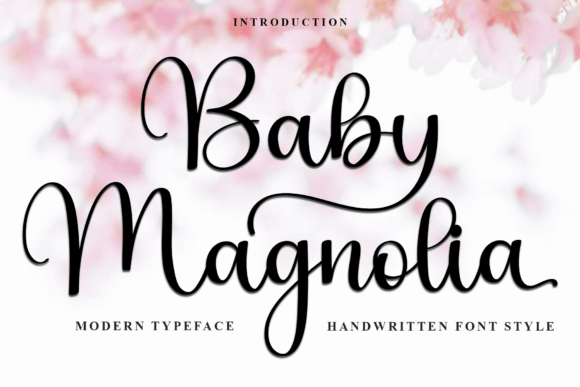
Baby Magnolia is a decorative display typeface specifically crafted to evoke a festive, celebratory mood. Characterized by its whimsical flair and ornamental details, this font is designed to capture the spirit of the holiday season. Unlike standard sans-serifs or text-heavy serifs, Baby Magnolia focuses on visual impact and emotional resonance. It is intended to function as a headline or accent font, adding a layer of enchantment to visual compositions rather than serving as a utilitarian tool for long-form reading.
A significant technical feature of Baby Magnolia is its PUA (Private Use Areas) encoding. This functionality ensures that all decorative glyphs, swashes, and ligatures are easily accessible to the user, even without advanced design software. This accessibility makes it a practical choice for a wide range of users, from professional designers to hobbyists using standard word processing or cutting machine software.
Primary Use Cases and Applications
The utility of Baby Magnolia lies in its specific thematic alignment. It is a strong fit for projects that require a nostalgic, cheerful, or celebratory aesthetic. The font's design language speaks to warmth and merriment, making it ideal for seasonal applications.
Common applications include:
- Greeting Cards: The whimsical nature of the font suits Christmas cards, holiday invitations, and seasonal well-wishes.
- Gift Tags: Its decorative elements add a personal, handcrafted touch to packaging and gift wrap.
- Event Decorations: It works well for signage, banners, and menus for holiday parties or festive gatherings.
- Digital Content: Blog headers, social media graphics, and email newsletters can benefit from its cheerful ambiance.
- Craft Projects: Due to its PUA encoding, it is highly compatible with vinyl cutting machines (like Cricut or Silhouette) for DIY projects.
Evaluating the Benefits: Why Choose Baby Magnolia?
When evaluating Baby Magnolia, it is important to look beyond its visual style and consider its functional benefits. The primary advantage is its ability to immediately set a festive tone. For designers working on seasonal campaigns, this font can reduce the time spent on finding complementary graphics because the typography itself carries the thematic weight.
The PUA encoding is a distinct practical benefit. In many decorative fonts, accessing alternate characters requires knowledge of OpenType features or specific design software like Adobe Illustrator. Baby Magnolia simplifies this process, allowing users to copy and paste specific glyphs from a character map. This broadens its usability for non-designers creating personalized items for personal use or small business inventory.
Furthermore, the font offers a balance between "whimsical" and "legible." While highly decorative, it generally maintains the ability to be read at medium to large sizes, which is crucial for headers and short phrases on physical products.
Tradeoffs and Considerations
No typeface is universally perfect, and Baby Magnolia comes with specific tradeoffs that should be weighed during the selection process. The most significant consideration is its contextual limitation. Because it is heavily themed around festivity and holidays, it is not a versatile, year-round typeface. Using Baby Magnolia for a corporate annual report, a medical brochure, or a summer promotion would likely result in a visual mismatch.
Another tradeoff involves legibility at small scales. Decorative fonts with high "whimsy" often rely on intricate details. When reduced to very small sizes—such as body text in a book or fine print on a poster—these details can become muddy or illegible. Consequently, Baby Magnolia should generally be paired with a simpler, cleaner font for body copy to ensure readability.
Additionally, because the font carries a strong "nostalgic" or "vintage" aesthetic, it may not align with modernist, minimalist, or brutalist design trends. Designers aiming for a sleek, ultra-modern look may find Baby Magnolia too ornate.
Strategic Decision-Making: Is Baby Magnolia the Right Fit?
Determining whether to integrate Baby Magnolia into your toolkit requires a strategic assessment of your project goals. Consider the following decision-making insights:
- Project Duration: If you are designing for a specific seasonal event (e.g., December holidays), Baby Magnolia is a strong candidate. If you need a font for a brand identity that must last for years without feeling dated, a more neutral typeface is advisable.
- Audience Expectations: Does your audience expect tradition and warmth? Baby Magnolia appeals to those who appreciate classic holiday charm. If your audience prefers edgy, modern, or strictly utilitarian communication, this font may alienate them.
- Technical Environment: If you are working in a simple environment (like Microsoft Word or a basic design app) and need access to fancy swashes, the PUA encoding makes Baby Magnolia a practical choice. However, if you are a professional user with advanced software, you might prefer a font with more robust OpenType features that allow for automatic contextual alternates.
Comparing Alternatives
When evaluating Baby Magnolia, it is useful to compare it against other font categories to ensure the best fit.
- Standard Serifs (e.g., Times New Roman, Georgia): These are better for long-form reading and formal documents but lack the festive personality of Baby Magnolia.
- Geometric Sans-Serifs (e.g., Helvetica, Futura): These offer a modern, clean look suitable for corporate branding but do not convey the "whimsical" or "nostalgic" feeling required for holiday cards.
- Script Fonts: While other script fonts might look elegant, they can often be difficult to read. Baby Magnolia attempts to bridge the gap between a script/cursive style and legibility, though it remains a display font.
Conclusion
Baby Magnolia is a specialized tool designed for a specific aesthetic niche. It excels in projects where the goal is to create a cheerful, nostalgic, and festive atmosphere, particularly during the holiday season. Its PUA encoding makes it accessible and practical for a variety of users, including those without advanced design training.
However, it is not a general-purpose typeface. Its strong thematic voice makes it unsuitable for corporate, formal, or minimalist designs. By evaluating your project's context, audience, and technical requirements, you can determine if the enchanting flair of Baby Magnolia aligns with your creative vision. If your goal is to add a touch of holiday magic and whimsy to your typography, Baby Magnolia is a strong contender worth considering.