Dress Code Font: A Modern Sans-Serif for Every Project
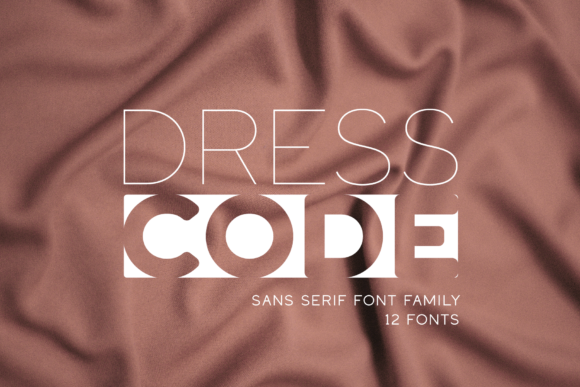
Finding a font that balances professionalism with personality can be a real challenge. You need something that looks sharp and contemporary, but also carries enough character to avoid feeling sterile. Enter Dress Code, a modern sans-serif font family designed to be the versatile workhorse your typography toolkit has been missing. It’s a typeface built for clarity, flexibility, and creative expression, making it a strong candidate for a wide array of design applications.
Understanding the Dress Code Font Family
At its core, Dress Code is a comprehensive system. It comprises 12 fonts organized into two distinct styles, each offering six weights. This structure provides a full spectrum from delicate light weights to impactful bolds, all while maintaining a consistent design language. The "modern sans-serif" classification points to its clean lines, lack of decorative serifs, and contemporary aesthetic. However, what sets it apart is its attention to detail in the glyph set. The designers have crafted unique letterforms and alternates that inject subtle flair without sacrificing readability.
The true strength of a font like Dress Code lies in its versatility. A single typeface family that can handle a delicate wedding invitation, a bold tech startup logo, a clear instructional manual, and an engaging social media post is incredibly valuable. It eliminates the need to hunt for separate fonts for different contexts, creating visual cohesion across all your materials. For a business owner or a freelancer, this means your brand can speak with one consistent, adaptable voice.
Key Strengths and Notable Qualities
When evaluating a font, it’s not just about how it looks at a glance, but how it performs. Dress Code excels in several key areas that matter for real-world use.
Exceptional Readability: The primary job of most text is to be read. Dress Code’s letterforms are designed with open counters and clear distinctions between characters, which greatly enhances legibility, especially at smaller sizes or on screen. This makes it a reliable choice for body text on websites, in apps, and in printed documents where clarity is paramount.
Dynamic Weight Range: The six weights offer a tremendous amount of typographic control. You can establish a clear hierarchy using the light, regular, medium, semi-bold, bold, and black weights. This is crucial for designing user interfaces, presentations, and multi-page layouts where you need to guide the reader’s eye efficiently. The transition between weights is smooth and logical.
Unique Character Details: Beyond the standard alphabet, Dress Code includes thoughtfully designed glyphs. These might include stylistic alternates, ligatures, or numeral variations that allow for fine-tuning. A designer might swap out a standard ‘a’ for a single-story version or use a different numeral style for a more elegant look in a headline. These options provide creative latitude without needing to switch fonts.
Practical Applications Across Different Fields
The utility of a well-designed font family is measured by its adaptability. Here’s how Dress Code can be applied across various domains.
For Digital Creators and Marketers
In the digital space, clarity and impact are king. Dress Code is an excellent candidate for website headers, subheadings, and even body copy due to its screen-optimized readability. Its clean aesthetic works perfectly for the minimalist layouts popular in web design today. For social media graphics, the bold and black weights can create eye-catching titles, while the lighter weights provide elegant supporting text. Email marketers will appreciate its reliability across different clients and devices.
In Professional and Corporate Environments
Businesses of all sizes need to communicate professionalism. Dress Code fits seamlessly into corporate branding, from letterheads and business cards to annual reports and PowerPoint presentations. Its structured yet friendly appearance conveys competence without being cold. For internal documents like style guides or training manuals, the font’s excellent readability reduces cognitive load for employees, potentially improving comprehension and productivity.
Creative and Editorial Projects
Bloggers, publishers, and authors can leverage Dress Code to create beautiful, readable layouts. It works harmoniously in both print and digital publications. The font’s personality shines in magazine layouts, book covers, and poster designs where a modern, clean aesthetic is desired. The availability of different weights allows for creative typographic compositions that are both visually interesting and easy to follow.
Educational and Instructional Use
Clarity is non-negotiable in educational materials. Dress Code’s straightforward design makes it suitable for textbooks, worksheets, presentations, and e-learning platforms. Its neutral tone ensures that the content remains the focus, while its modern feel can make materials more engaging for younger audiences compared to more traditional educational fonts.
Making the Most of Dress Code: Practical Considerations
Before implementing any font, it’s wise to consider a few practical points to ensure it’s the right fit for your specific project.
Test in Context: Always preview the font in the environment where it will be used. Set a paragraph of body text in your word processor or design software. View it on a mockup of your website. Check how the different weights interact. Does the hierarchy feel natural? Is the text easy to scan?
Pairing with Other Fonts: While Dress Code is versatile, it often works best when paired with a complementary typeface. A common practice is to pair a sans-serif like Dress Code with a serif font for long-form reading or with a monospace font for technical contexts. Experiment to find a combination that enhances your message without creating visual competition.
Licensing and Usage: Ensure you understand the font’s license. For personal projects, a desktop license might suffice. For embedding in apps, websites, or digital products, you may need a specific web or app license. Always acquire fonts from reputable sources to guarantee you have the correct permissions.
Consider the Audience: While Dress Code is broadly appealing, consider if its modern, clean aesthetic aligns with your audience’s expectations. For a project targeting a very traditional or historical context, a different style might be more appropriate. For most contemporary applications, however, its balance of friendliness and professionalism is a significant asset.
In the crowded landscape of typefaces, Dress Code