Happy Playful: The Font That Captures Pure Joy
Understanding the Essence of Happy Playful
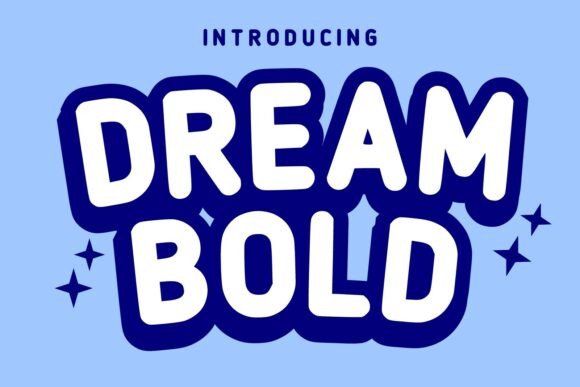
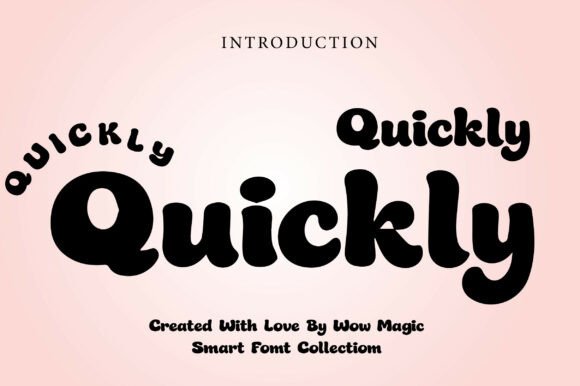
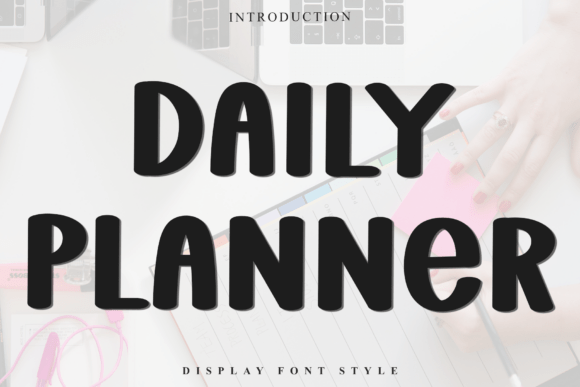
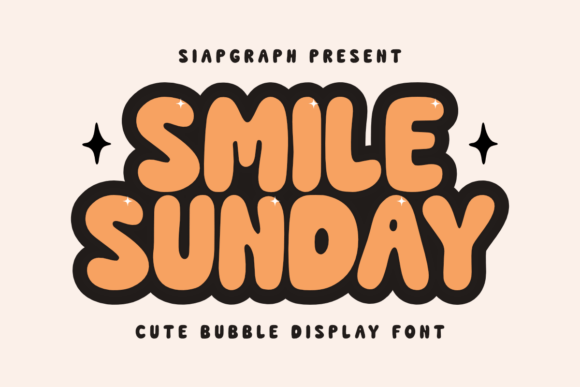
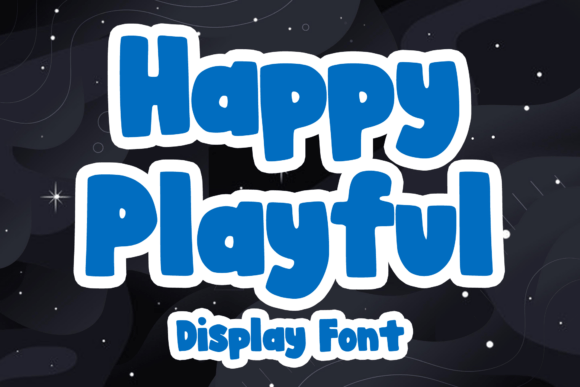
Happy Playful is more than just a collection of letterforms; it is a distinct visual voice designed to communicate high-spirited energy and whimsy. In the world of typography, typefaces are often chosen for their neutrality or professionalism, but this cartoon display typeface takes the opposite approach. It is intentionally exuberant, designed to burst with richness and personality. When you look at the curves and weight of the text, it conveys a sense of movement and fun that static, standard fonts simply cannot replicate.
This typeface falls into the category of display fonts, meaning it is best suited for headlines, logos, and short bursts of text rather than long-form body copy. Its design characteristics—often featuring rounded edges, irregular baselines, or chunky strokes—mimic the aesthetic of animation and hand-drawn illustration. For anyone looking to inject a dose of happiness into their creative work, Happy Playful acts as an immediate mood setter. It bridges the gap between illustration and typography, allowing the font itself to become a central design element.
Why Different Creators Reach for This Typeface
The utility of a font like Happy Playful varies significantly depending on who is using it and for what purpose. Because design needs are never one-size-fits-all, the value of this typeface changes based on the audience.
For the Entrepreneur and Small Business Owner
If you are launching a brand that targets families, children, or the food and beverage industry, your typography needs to be approachable. A small business owner might choose Happy Playful for their logo or packaging to signal that their product is lighthearted and safe. For example, a local bakery or an ice cream parlor could use this font on their signage to create an inviting atmosphere before a customer even walks through the door. The priority here is brand alignment—ensuring the visual identity matches the service provided.
For Marketers and Content Creators
In the fast-paced world of digital marketing, grabbing attention is paramount. Marketers often struggle to make social media graphics stand out amidst a sea of content. Happy Playful offers a solution by providing high visual impact. A social media manager creating a summer sale campaign or a giveaway post can use this font to convey excitement without needing complex design skills. The boldness of the font ensures readability even at smaller sizes on mobile screens, making it a practical tool for engagement-focused content.
For Educators and Parents
Typography plays a crucial role in learning environments, especially for younger children or students with learning differences. Educators creating classroom materials, flashcards, or worksheets often seek fonts that are legible yet engaging. Happy Playful can be used for headers on educational posters to make the subject matter feel less intimidating. While it may not be suitable for reading passages, its use in headings can help capture a student's interest and make learning materials feel more like play.
Practical Applications: From Digital to Physical
The versatility of Happy Playful lies in its ability to transition seamlessly between digital assets and physical merchandise. Understanding where this font shines brightest can help you decide if it fits your current project pipeline.
Merchandise and Apparel Design
One of the most common uses for cartoon-style typefaces is in the print-on-demand market. If you are a freelance designer or a hobbyist selling on platforms like Etsy or Redbubble, Happy Playful is a strong candidate for t-shirt designs. The "high-spirited richness" mentioned in its description translates well to screen printing and direct-to-garment (DTG) printing. It pairs exceptionally well with vector illustrations. Imagine a design featuring a cute monster or a retro sun; pairing that graphic with Happy Playful text creates a cohesive, professional product that appeals to a broad consumer base looking for novelty apparel.
Event Stationery and Greeting Cards
For those involved in event planning or stationery design, the font serves as a tool for emotional resonance. Birthday invitations, baby shower announcements, and summer party decorations rely on typography to set the tone immediately. A serif font might look too formal, and a standard sans-serif might look too corporate. Happy Playful fills the gap, offering a bespoke, crafted look. It helps hobbyists create professional-looking invitations at home using software like Canva or Adobe Illustrator, saving the cost of hiring a custom calligrapher.
Book Covers and Editorial Design
Publishers and authors in the Middle Grade (MG) or Young Adult (YA) fiction markets often utilize dynamic typography to signal genre. A whimsical fantasy novel or a lighthearted romance can benefit from a cover that uses Happy Playful. It tells the reader exactly what kind of experience to expect before they read the synopsis. However, experienced designers know that context is key. This font would be inappropriate for a serious corporate report or a legal document, highlighting the importance of audience awareness when selecting type.
Evaluating the Font: What to Look For
When deciding whether to download and implement Happy Playful, you should evaluate it based on specific technical and aesthetic criteria relevant to your workflow.
- Ease of Use and Compatibility: For beginners, the most important factor is often how easily the font installs and functions across different operating systems. A high-quality font file should be compatible with standard design software without glitches. Check if the font includes multiple weights or styles (e.g., bold, italic, outline) as this increases its flexibility in design projects.
- Readability vs. Style: While style is the main draw for a display font, readability cannot be sacrificed entirely. Test the font at the size you intend to use it. If you are using it for a logo, ensure the letters are distinct enough to be read instantly. If the "playful" elements obscure the letterforms too much, it may hinder communication rather than help it.
- Commercial Licensing: For freelancers and business owners, the legal aspect of typography is a major priority. Before using Happy Playful in a client project or a product for sale, verify the license. Does the license cover print-on-demand? Is it free for personal use but paid for commercial use? Understanding the cost and long-term value ensures you avoid legal complications down the road.
- Pairing Potential: A display font rarely stands alone. You will likely need a secondary font for body text. Consider what pairs well with Happy Playful. Typically, a clean, neutral sans-serif (like Open Sans, Roboto, or Lato) works best to balance the energy of a playful headline font without overwhelming the viewer.
Matching the Font to Your Goals
Ultimately, the decision to use Happy Playful depends on the emotional response you wish to evoke. Design is a form of communication, and every typeface carries a specific connotation.
If your goal is to create a joyous atmosphere—whether for a child's birthday party, a summer marketing campaign, or a fun piece of merchandise—this font is designed to deliver exactly that. It is crafted to perfection for those specific scenarios. However, if your project requires a tone of authority, seriousness, or minimalism, this typeface will likely clash with your objectives.
For the hobbyist, it offers a way to elevate personal projects with a professional touch. For the professional, it provides a specialized tool to be used strategically when the brief calls for high energy. By assessing your specific needs—whether they are speed, creativity, or brand consistency—you can determine if Happy Playful