Wide Tread: Integrating High-Octane SVG Color Fonts into Your Creative Workflow
In the competitive landscape of digital and print design, capturing attention is not just about the message, but the medium. For designers, marketers, and brand strategists seeking to inject raw energy and gritty realism into their projects, the Wide Tread font offers a specialized solution. This OpenType SVG color font is engineered for high-impact visuals, moving beyond standard typography to deliver hyper-realistic tire track textures directly within your text. Understanding how to integrate such a specialized asset into your workflow requires more than just installation; it demands a strategic approach to compatibility, design pairing, and implementation.
Understanding the Technical Foundation of Wide Tread
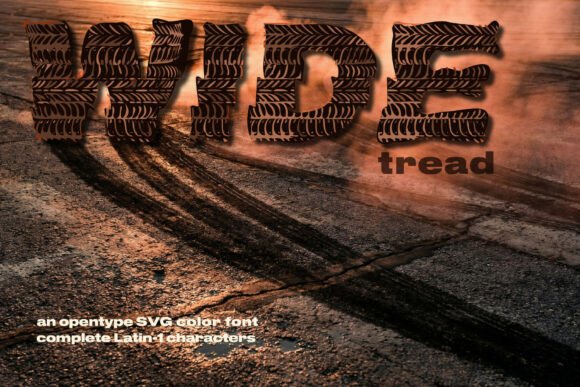
Before integrating Wide Tread into a project, it is essential to understand its technical composition. Unlike standard vector fonts that rely on single-color outlines, Wide Tread utilizes OpenType SVG technology. This format embeds bitmap-based graphics within the font file, allowing for complex color gradients, textures, and transparency effects that were previously impossible in typography. The result is a font that mimics the raw, gritty aesthetic of asphalt and tire rubber, featuring a "glitch style" that aligns with current graphic design trends.
However, this advanced capability comes with specific workflow requirements. Because SVG color fonts are a relatively new technology, they do not function universally across all legacy software. To utilize Wide Tread effectively, your creative environment must support this format. Currently, the font performs optimally in Adobe Illustrator CC 2018 or later, Adobe Photoshop CC 2017 or later, and specific native Mac applications. If your workflow relies on older versions of these programs or alternative software, you may encounter rendering issues where the text appears as a standard black outline or fails to display the intricate texture details. Therefore, the first step in any process involving Wide Tread is a compatibility audit of your software stack.
Workflow Integration: From Concept to Execution
Integrating Wide Tread into a design workflow is most effective when treated as a specialized phase rather than a default typography choice. Because the font is highly stylized, it functions best as a focal element in specific contexts: automotive branding, extreme sports graphics, racing event signage, and modern typography posters.
Preparation and Asset Management:
Before beginning a design session, ensure the Wide Tread font files are correctly installed and recognized by your operating system. For teams, this involves syncing the asset across shared drives or font management software to ensure consistency. Given the file size of SVG fonts—which are larger than standard OTF files due to embedded graphics—optimizing your system's font cache can prevent software lag.
The Design Phase:
When using Wide Tread, consider it a "burnout on the page." It demands significant visual real estate. It works best for logotypes, headlines, and short bursts of text where the texture can be appreciated. For example, when designing a poster for a motorsport event, use Wide Tread for the event title to instantly communicate speed and intensity. However, because the font is dense and textured, it is not suitable for body copy or small-scale applications where legibility might suffer.
Pairing and Hierarchy:
A critical step in the execution process is balancing Wide Tread with complementary assets. The font’s gritty, high-octane aesthetic pairs well with clean, industrial sans-serifs. This contrast creates a balanced, high-impact layout. For instance, use Wide Tread for the main headline and pair it with a minimalist font like Helvetica or Futura for subheadings and body text. This approach ensures that the visual hierarchy remains clear while allowing the Wide Tread font to deliver its intended "color block appeal" without overwhelming the viewer.
Practical Implementation and Design Scenarios
Moving from theory to practice involves understanding how Wide Tread interacts with other design elements and platforms. The font is not an isolated tool but part of a broader visual ecosystem.
Digital and Print Applications
For digital platforms, Wide Tread is an asset for web headers, social media graphics, and digital advertisements. Its vibrant, multicolor capabilities make it ideal for grabbing attention in fast-scrolling environments. When creating a social media campaign for a rugged outdoor brand, using Wide Tread for key promotional text can evoke a sense of adventure and durability.
In print design, the font excels in applications where tactile quality is desired. For greeting cards, t-shirt designs, or signage, the tire track texture adds a layer of realism that flat colors cannot achieve. When preparing files for print, ensure your color management settings are calibrated to maintain the font's intricate details and transparency. Since SVG fonts retain these nuances better than traditional fonts, they are a superior choice for high-quality, contemporary prints.
Customization and Adaptability
While Wide Tread comes with a predefined aesthetic, designers can manipulate it to fit specific brand guidelines. Because it is a multicolor OTF font, you can type multicolor text directly. However, further customization—such as adjusting the color balance of the tire tracks or modifying the background transparency—may require converting the text to outlines or rasterizing the layer in Photoshop, depending on the desired outcome. This step should be considered a final-stage process, as it limits future editability.
Long-Term Use and Quality Control
Consistency is key in branding. When using Wide Tread across multiple touchpoints—from web to merchandise—maintain a style guide that dictates its usage. Specify which contexts are appropriate for the font and establish pairing rules. Regularly review your projects to ensure the font's high-impact nature is not diluted by overuse. By treating Wide Tread as a strategic asset rather than a default typeface, you can ensure it continues to "scream speed" and leave a lasting impression long after the initial design is complete.
Ultimately, Wide Tread is more than a font; it is a specialized tool for designers who need to communicate intensity, speed, and a rugged aesthetic. By understanding its technical requirements, integrating it thoughtfully into your workflow, and pairing it strategically with other design elements, you can harness its full potential to create visuals that are both contemporary and unforgettable.