Magnolia Signature: Evaluating a Contemporary Handwriting Font
Understanding the Aesthetic of Magnolia Signature
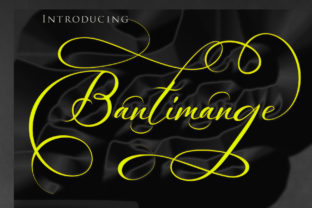
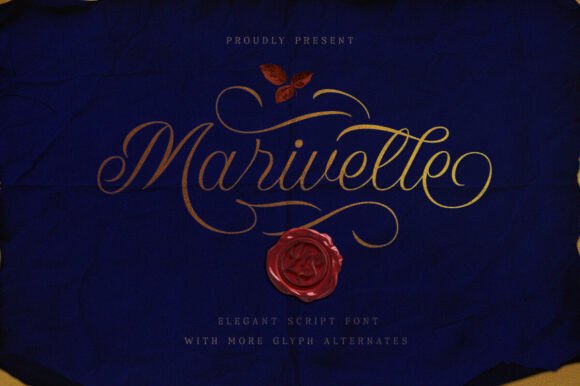
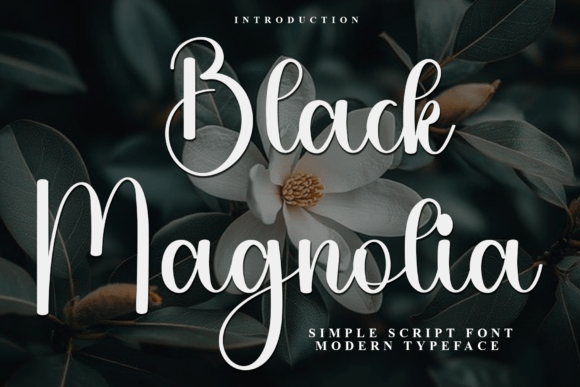
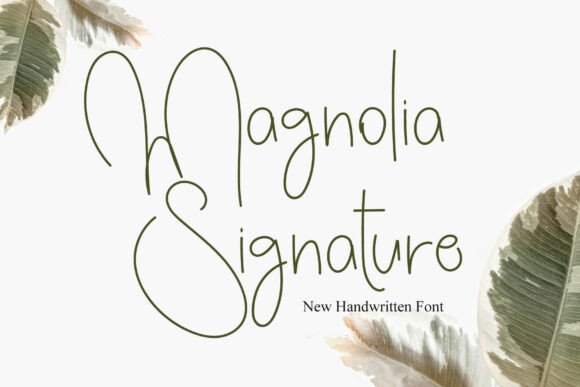
In the realm of digital typography, the search for a font that conveys both elegance and authenticity often leads designers to script typefaces. The Magnolia Signature font is a specific entry in this category, characterized by its contemporary handwriting style. It is defined not by a heavy, bold stroke, but by an ultra-thin weight and sweeping, oversized loops. This design choice creates a visual sense of movement and fluidity, aiming to mimic the grace of fine-point penmanship.
The core identity of this typeface is its "airiness." Unlike blocky or rigid fonts, Magnolia Signature offers an ethereal quality. This makes it a contender for projects that require a personal touch without sacrificing professionalism. It positions itself as a tool for high-fashion luxury and minimalist aesthetics, bridging the gap between a casual note and a formal invitation.
Primary Use Cases and Applications
When evaluating a typeface like Magnolia Signature, it is essential to consider where it functions best. Its design suggests it is optimized for specific visual contexts rather than general-purpose body text. Based on its structural characteristics, the following applications represent its strongest potential fits:
- Photography Watermarks: The ultra-thin weight is a significant advantage for watermarks. Heavy fonts can obstruct the subject of a photo; however, the delicate nature of this font allows it to overlay an image with minimal intrusion while still protecting the work.
- High-End Lifestyle Branding: For businesses in the beauty, fashion, or wellness sectors, this font can serve as a primary wordmark or logo component. It communicates a sense of boutique exclusivity.
- Editorial Layouts: In magazines or blogs, it works well for pull quotes or section headers where a touch of artistic flair is required to break the monotony of serif or sans-serif body copy.
- Digital Wedding Stationery: The "authentic signature" aesthetic makes it a natural choice for digital invitations, save-the-dates, and event signage where a romantic, handwritten feel is desired.
Benefits and Tradeoffs
Every typeface comes with a set of strengths and limitations. A balanced evaluation of Magnolia Signature requires looking at both sides.
The Benefits
The primary benefit is the emotional connection established by the handwritten style. It feels personal and human, which can increase engagement in branding. Furthermore, its "organic-luxe" vibe pairs exceptionally well with modern design trends, particularly those involving botanical textures, monochromatic photography, and negative space. It offers a whisper of sophistication that can elevate a simple design to something more curated.
The Tradeoffs
The most critical consideration is legibility. Because of the ultra-thin weight and the decorative, looping strokes, Magnolia Signature is not suitable for small body text. At low resolutions or small sizes, the loops may merge, and the thin strokes may disappear, rendering the text unreadable. It is strictly a display or headline font. Additionally, the "trendy" nature of specific script fonts means they can sometimes feel dated if design trends shift toward more geometric or retro styles.
Comparison and Alternatives
While Magnolia Signature is a strong choice for specific needs, it is not the only option available. Understanding how it compares to alternatives helps in making a final decision.
- Traditional Calligraphy Scripts: If the goal is historical accuracy or a very formal, traditional wedding aesthetic, a classic copperplate script might be more appropriate. Magnolia Signature is distinctly modern and airy, whereas traditional scripts are often denser and more structured.
- Brush Scripts: For brands that want to convey energy, speed, or a "raw" artistic edge, a heavy brush script is often better. Magnolia Signature is about refinement and control, whereas brush fonts are often about expression and boldness.
- Serif Fonts: If the primary concern is readability in long-form text (like a blog post or article), a transitional serif font is the necessary alternative. Magnolia Signature should only be used for short bursts of text within these layouts.
Design Pairing and Contextualization
A font rarely exists in a vacuum. To maximize the effectiveness of Magnolia Signature, it must be paired with complementary elements. The prompt for this typeface suggests leaning into an "organic-luxe" vibe. This means that using this font alongside stark, industrial design elements (like concrete textures or neon colors) might create a jarring contrast unless executed with extreme care.
Instead, designers should consider pairing it with:
- Neutral Color Palettes: Soft creams, taupes, and charcoal grays allow the delicate strokes of the font to stand out.
- Clean Sans-Serifs: To ensure information is actually read, Magnolia Signature should be paired with a highly legible sans-serif for sub-headlines or body copy. The contrast between the decorative script and the functional sans-serif creates a professional hierarchy.
- Visual Texture: As noted, soft botanical imagery or rich, low-contrast photography enhances the font's inherent elegance.
Decision-Making Insights: Is Magnolia Signature Right for You?
To determine if this typeface aligns with your goals, ask yourself the following questions:
- What is the primary medium? If you are designing for digital screens (websites, Instagram, digital invites), the vector-based scalability of this font is an asset. If you are printing on rough, uncoated paper stock, the ultra-thin lines might "break up" or look faint.
- What is the brand personality? If the brand voice is authoritative, loud, or technical, this font is likely a poor fit. If the voice is gentle, luxurious, romantic, or artisanal, it is a strong contender.
- How much text needs to be read? If you need to communicate a lot of information quickly, choose a different font for the bulk of the text. Use Magnolia Signature only for the "cherry on top"—the logo or the main headline.
Ultimately, Magnolia Signature is a specialized tool. It excels at adding a layer of refined artistry and a human touch to digital and print designs. However, its reliance on thin strokes and decorative loops means it requires careful handling regarding size, contrast, and pairing to ensure the final design remains accessible and professional.